John D. Ells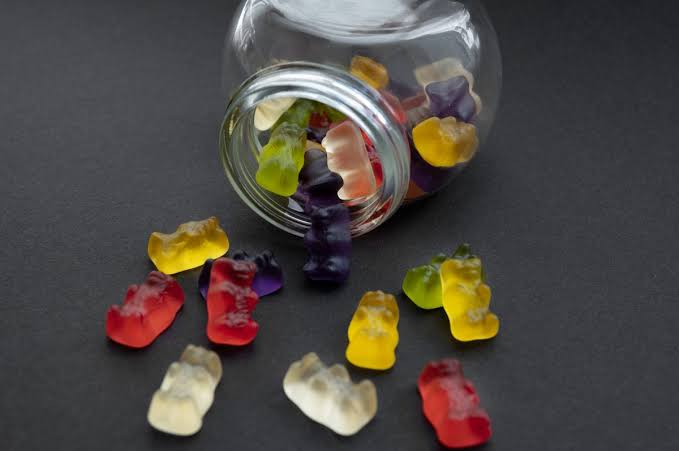
Does TSA allow edibles?
Yes, TSA permits hemp-derived edibles in both carry-on and checked baggage if delta-9 THC is below 0.3 percent at dry weight, which is the federal definition of hemp. State permissions on either end of the route do not affect the federal prohibition of marijuana edibles in flight. Hemp versus marijuana is the only distinction that matters at the checkpoint.
Screening priorities soften the picture further. Officers search for threats to aviation, not wellness products, and agency guidance directs them away from actively hunting cannabis items during baggage review. Discovery still triggers a protocol, though. A document-embedded product, such as those listed at https://www.exhalewell.com/, arrives in labelled packaging with a batch number and a scannable certificate, and this paperwork typically ends the conversation. An unmarked gummy in a sandwich bag is impossible to verify, so a routine screening becomes a referral, so packaging quality is more important than edibles.
What happens at screening?
Edibles pass through scanners looking like any food item, and most bags containing them clear without a second glance. When an officer does open a bag, the sequence follows fixed steps rather than personal discretion.
- Labelled hemp products with visible compliance text typically continue through.
- Questionable items get referred to local law enforcement for assessment.
- Local officers apply their jurisdiction’s law, not federal rules alone.
That referral step explains why the airport’s state matters. Identical gummies produce different outcomes in a legal state terminal versus a restrictive one.
TSA rules on quantity
Agency rules set no numeric limit on edible amounts, yet quantity still shapes how screening plays out. A pouch or two reads as personal supply and moves through as food, while bulk cases invite the resale question and a closer look at paperwork.
Liquid form edibles face one extra TSA rule. Syrups, honey sticks, and drinkable formats count toward the standard liquid allowance in carry bags, capping containers at the familiar travel size, while solid gummies and chocolates carry no such ceiling.
Flying edibles checklist
A short packing routine keeps the TSA encounter as quiet as the rules allow. Original sealed packaging leads the list, since printed batch numbers let an officer match product to certificate in seconds without any judgment call. A printed lab report folded beside the pouch covers terminals where scanning a code fails. Carrying luggage beats checked bags for edibles, keeping products available for any conversation rather than leaving questions to unfold around an unattended suitcase. Solid formats dodge the liquid allowance entirely, making gummies the simplest flying companion of all edible types. One last evening check of the destination state’s hemp statute closes the single gap federal rules leave open, since landing law takes over at the gate. Travellers who follow this list rarely see anything beyond an ordinary bag check.
TSA rules admit hemp edibles under the federal threshold while barring marijuana products outright, with local law taking over at referral and landing. Sealed labelled packaging, printed certificates, solid formats, and one statute check keep flying with edibles quietly from gate to gate.