John D. Ells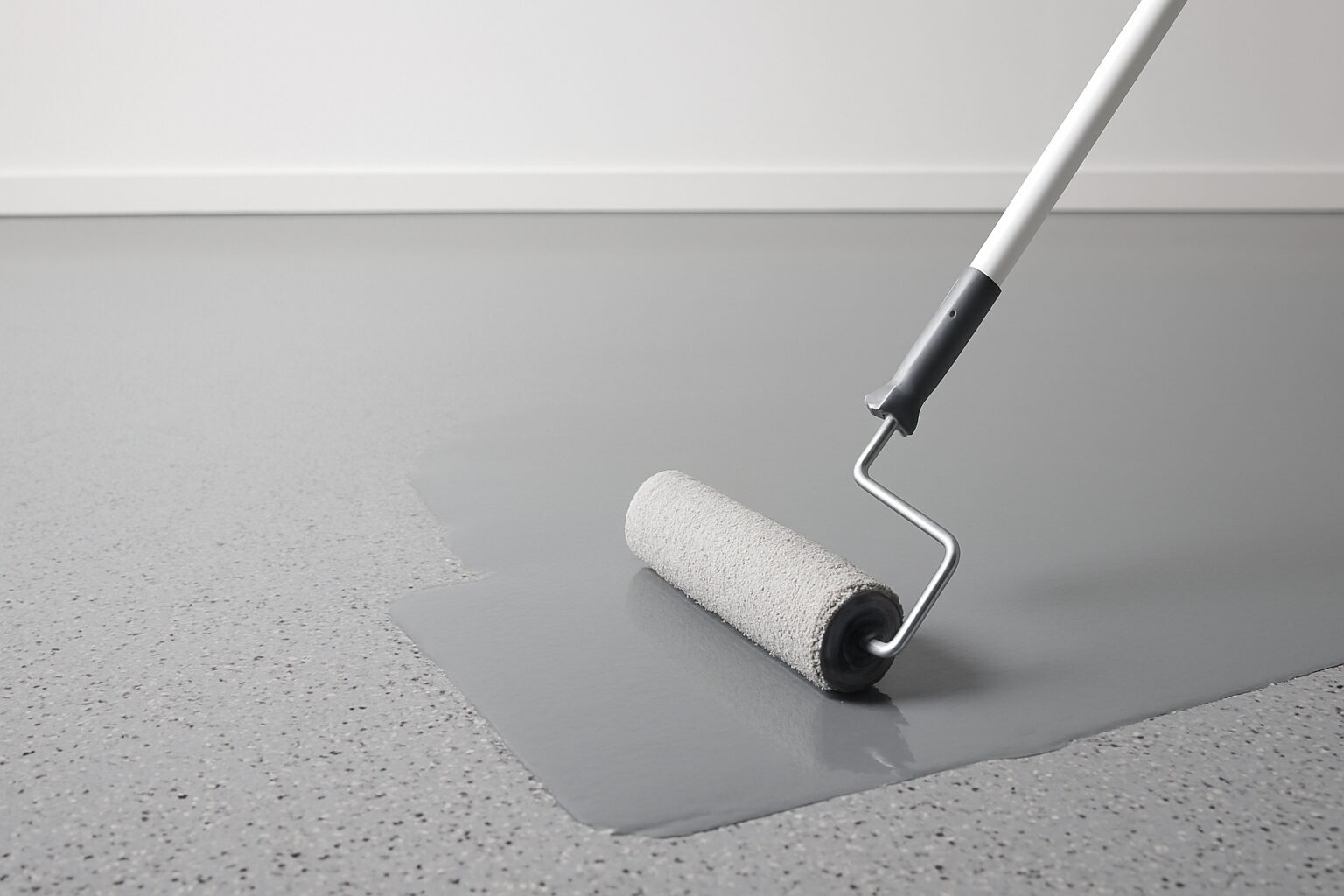
Running a commercial facility in Florida comes with a specific set of demands that most other regions simply do not face at the same intensity. The heat is relentless, the humidity is persistent, and the pace of business rarely slows enough to allow for extended floor maintenance downtime. In environments like these, flooring must do more than look good on day one—it must perform consistently over years of continuous use. That is precisely why facility managers and business owners across the state continue to turn to Epoxy Floor Coatings Florida professionals for their commercial flooring needs.
Table of Contents
- What Problems Do Florida Commercial Floors Face Without Protective Coatings?
- How Do Epoxy Coatings Solve These Commercial Flooring Challenges?
- Why Are Epoxy Floor Coatings Particularly Well-Suited to Florida’s Environment?
- What Commercial Industries in Florida Use Epoxy Floor Coatings Most Often?
- What Does the Epoxy Floor Coating Installation Process Involve for Commercial Properties?
- How Long Do Commercial Epoxy Floor Coatings Last in Florida?
- Making the Right Choice for Your Florida Commercial Facility
This article examines the key reasons Florida commercial properties trust epoxy coatings, how these systems address the state’s unique environmental challenges, and what the installation and maintenance process looks like in practice.
What Problems Do Florida Commercial Floors Face Without Protective Coatings?
Before exploring what epoxy coatings offer, it helps to understand what happens to commercial floors in Florida without adequate protection.
Bare concrete is porous. In Florida’s humid climate, that porosity means the floor is in a constant battle with moisture. Water vapor moves through the slab, carrying dissolved minerals to the surface. Over time, this process—known as efflorescence—causes a white, powdery buildup that weakens surface adhesion and creates an uneven, unattractive appearance.
Heavy commercial traffic compounds these issues. Forklifts, rolling equipment, and constant foot traffic gradually erode unprotected concrete. Cracks develop, edges chip, and the surface becomes uneven—creating both aesthetic problems and genuine safety hazards.
Chemical spills in manufacturing, automotive, and food service environments stain and break down unprotected concrete further, requiring increasingly frequent repairs that accumulate into significant long-term costs. Without a protective barrier, the floor becomes a liability rather than an asset.
How Do Epoxy Coatings Solve These Commercial Flooring Challenges?
Epoxy coatings address these problems by fundamentally changing the nature of the floor surface. When applied correctly, epoxy bonds chemically with the concrete substrate, creating a surface that is seamless, non-porous, and highly resistant to the forces that degrade unprotected floors.
Moisture resistance is achieved through the seamless, impermeable barrier the cured epoxy creates. Moisture vapor that would otherwise migrate through the slab and cause damage is blocked, preserving both the floor’s appearance and its structural integrity.
Impact and abrasion resistance come from the epoxy’s inherent hardness once cured. The coating absorbs and distributes the mechanical energy from heavy traffic, protecting the underlying concrete from the cracking and erosion that typically results from sustained load-bearing use.
Chemical resistance is built into the epoxy matrix. The cross-linked polymer structure that forms during curing is highly resistant to a wide range of industrial and commercial chemicals, including oils, solvents, acids, and cleaning agents. Spills that would permanently stain or etch bare concrete can be wiped from an epoxy surface without leaving a mark.
Ease of cleaning follows naturally from the seamless, non-porous surface. There are no grout lines, surface irregularities, or porous patches where contaminants can accumulate. Standard cleaning equipment and common cleaning products maintain the surface effectively, reducing both cleaning time and supply costs.
Why Are Epoxy Floor Coatings Particularly Well-Suited to Florida’s Environment?
Florida presents a combination of environmental factors that make flooring selection more consequential than in many other states. Epoxy systems are engineered to perform well precisely in these conditions.
High ambient humidity is one of Florida’s defining characteristics. Standard flooring adhesives and coatings can fail under sustained humidity because moisture interferes with the bond between the product and the substrate. Properly installed epoxy systems use moisture-tolerant formulations and rigorous surface preparation protocols to ensure a bond that holds even in Florida’s humid conditions.
Temperature fluctuations between air-conditioned interiors and Florida’s outdoor heat cause materials to expand and contract. Flooring systems that cannot accommodate this movement develop cracks and separations over time. Epoxy’s flexibility within its hardness range allows it to handle these thermal cycles without compromising the coating’s integrity.
UV exposure affects Florida commercial spaces near windows, skylights, or open loading areas more intensely than in northern climates. UV-stable epoxy topcoats resist the yellowing and fading that UV radiation causes in lesser coatings, maintaining the floor’s appearance without requiring frequent reapplication.
Hurricane preparedness and recovery is a practical reality for Florida businesses. Flooding events can devastate flooring systems that are not moisture-resistant. Epoxy-coated floors are far more resilient in post-flood recovery scenarios, often requiring only thorough cleaning rather than complete replacement.
What Commercial Industries in Florida Use Epoxy Floor Coatings Most Often?
The versatility of epoxy floor coatings makes them applicable across a broad spectrum of commercial industries in Florida.
Logistics and warehousing operations benefit from the combination of durability, easy cleaning, and improved light reflectivity that epoxy provides. In large fulfillment centers and distribution hubs, these qualities translate directly into operational efficiency and worker safety.
Hospitality and entertainment venues, which are abundant throughout Florida, use decorative epoxy systems to create distinctive, high-impact flooring that withstands the foot traffic of high-volume environments without showing wear.
Healthcare and dental facilities require flooring that supports infection control protocols. Epoxy’s seamless surface eliminates the harboring points for bacteria and pathogens that grout lines and surface irregularities create in traditional tile installations.
Marine and boating industries, prominent throughout Florida’s coastal communities, use epoxy coatings in boat showrooms, service facilities, and marinas where water, fuel, and marine chemicals are constant presences.
Educational institutions and government facilities rely on epoxy for its combination of durability, low maintenance costs, and the ability to withstand the continuous use that public facilities experience.
What Does the Epoxy Floor Coating Installation Process Involve for Commercial Properties?
A professional commercial epoxy installation follows a structured process that ensures the coating performs as intended for its full expected lifespan.
Concrete assessment is the first step. The installation team evaluates the existing slab for moisture levels, existing coatings or adhesives, cracks, and surface contaminants. This assessment informs the surface preparation approach and the selection of appropriate epoxy products.
Mechanical surface preparation follows. Professional-grade diamond grinding or shot blasting equipment opens the concrete surface, removing any existing coatings and creating the surface profile the epoxy needs to bond effectively. This step cannot be shortcut without compromising the long-term performance of the coating.
Crack and joint repair addresses any existing damage to the concrete before coating begins. Filling cracks and repairing damaged areas ensures the finished floor is smooth, level, and structurally sound.
Primer application seals the prepared surface and provides the foundation for subsequent coating layers. In high-moisture environments—common in Florida—moisture-mitigating primers add an additional layer of protection against vapor transmission.
Base coat and decorative layer application delivers the coating’s functional and aesthetic properties. Depending on the system selected, this phase may include the broadcast of decorative aggregates, the application of metallic pigments, or the installation of anti-slip additives.
Topcoat application provides the final protective layer. High-performance polyurethane or polyaspartic topcoats add UV resistance, additional chemical resistance, and the desired sheen level to the finished floor.
Cure and inspection complete the process. The floor is allowed to cure fully before returning to service, and a final inspection confirms that the coating meets quality standards before the facility resumes operations.
How Long Do Commercial Epoxy Floor Coatings Last in Florida?
The lifespan of a commercial epoxy floor coating depends on several factors, including the quality of the installation, the intensity of use, and the maintenance practices applied over time. A professionally installed system in a well-maintained commercial environment can last well over a decade before requiring significant attention.
Routine maintenance—regular sweeping, periodic mopping with appropriate cleaning products, and prompt attention to any surface damage—extends the coating’s lifespan considerably. Avoiding the use of harsh scrubbing tools that can scratch the surface and reapplying topcoats when surface wear becomes visible are the two most impactful maintenance practices for preserving the coating’s performance and appearance.
Making the Right Choice for Your Florida Commercial Facility
Commercial flooring is a long-term commitment. The choice made today will shape daily operations, maintenance budgets, and the professional appearance of the facility for years to come. For Florida businesses facing the state’s demanding combination of heat, humidity, chemical exposure, and heavy traffic, epoxy floor coatings offer a proven, adaptable solution that addresses all of these challenges simultaneously.
Working with an experienced Florida-based installation team ensures that the coating system selected is appropriate for the specific environment and that the installation is executed to the standards that long-term performance requires. The result is a floor that supports the business rather than holding it back—durable, clean, safe, and visually professional from the first day of use through years of demanding commercial service.

 Bradley Reed